Recruiting for energy and infrastructure is its own particular challenge. The roles are often highly skilled, the sites are often remote, and a lot of the people you want to reach have never really thought about the industry as a career. Plenty of them have a picture in their heads that's twenty years out of date.
We've spent a lot of time making recruitment content in this space, including on working power stations, and we've come to think it needs a slightly different approach from a typical corporate recruitment film. Here's how we think about it.
The industry has an image problem, and that's an opportunity
Ask someone outside the sector what working at a power station or on a major infrastructure project looks like, and you'll get a mix of hard hats, mud and not much else. They don't picture the control rooms, the engineering, the apprentices learning genuinely specialist skills, or the sheer scale of what's being built or kept running.
That gap is the opportunity. A good recruitment film here doesn't need to oversell. It just needs to show people what's actually there, because the reality is often more interesting than they expected.

Filming on an operational site changes everything
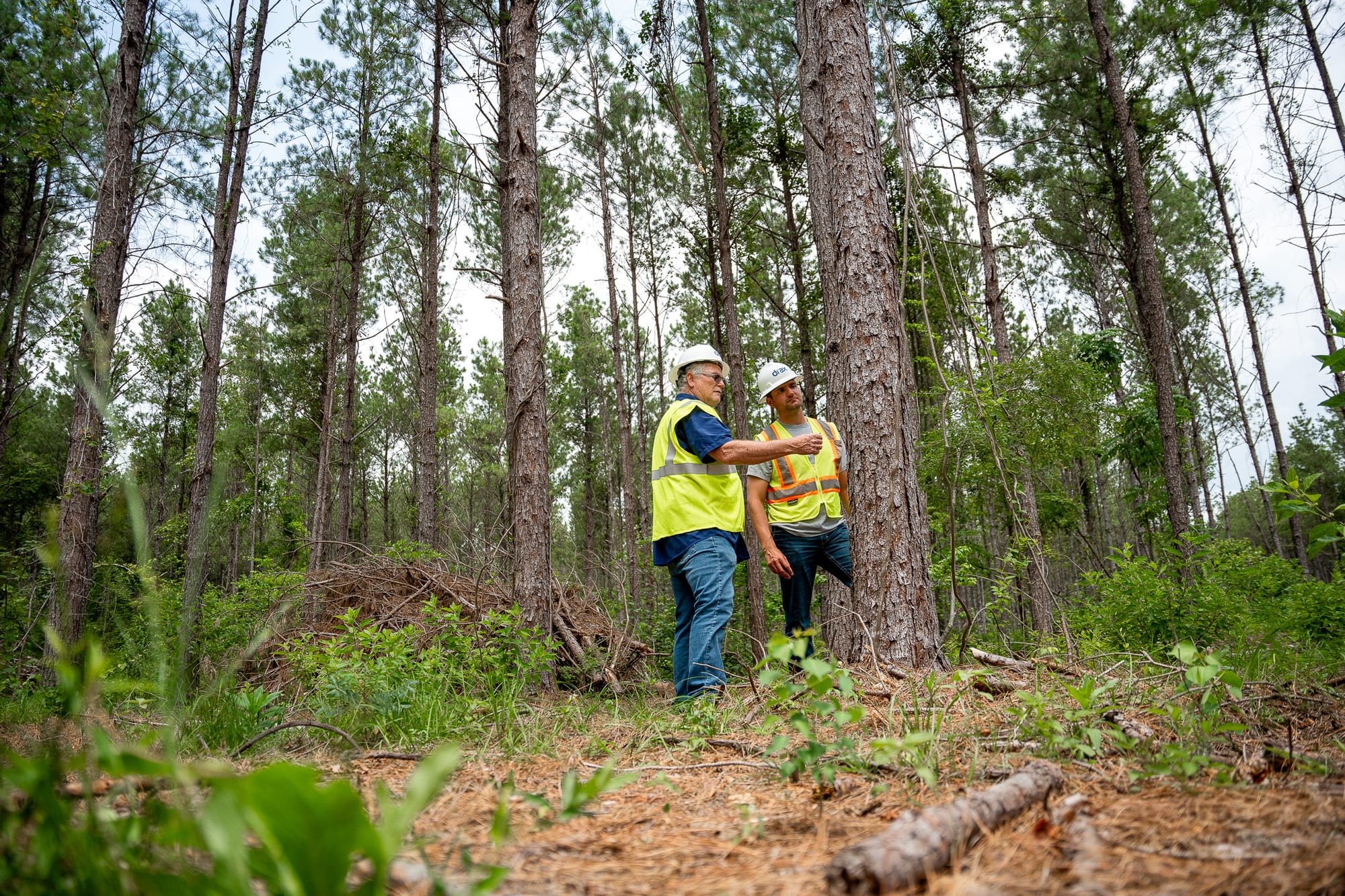
You can't make this kind of film in a studio. The sites are the story. But filming somewhere that's running live, often around the clock, takes proper planning: inductions, permits, escorts, an understanding of which areas are safe to be in and when.
We work with the site team well in advance to plan around operations. That means finding out when the interesting work is happening, which people can realistically give us time, and where the crew can safely stand. It also means accepting that some things can't be filmed, and building the story around what can.
The benefit is huge. Footage from a real working site has an honesty and a weight that candidates respond to. They can tell they're seeing the actual job.
Let the engineers explain it
People in technical roles are often brilliant at explaining what they do, if you give them the chance and don't make them read a script. We like to film them doing the work and then sit down with them afterwards and ask them to talk us through it. Why is this bit important? What's the hardest part? What did you not expect when you started?
Their answers tend to be clear, slightly funny and full of pride in the job. That's exactly what a potential candidate needs to hear, and it's far more convincing than a voiceover telling them it's rewarding.
Different roles, different films
A big energy or infrastructure employer is usually recruiting for lots of different things at once: apprentices, graduates, experienced engineers, operations staff, office roles. Those audiences want different things.
A school leaver wants to know whether they'll be trained, whether they'll be looked after, and whether it's a real career. An experienced engineer wants to know about the technical challenge and how they'll progress. Someone considering a career change wants reassurance that their existing skills count for something.
So rather than one film that tries to speak to everyone, we usually plan a main film that sets the scene, and a set of shorter pieces aimed at specific roles or entry routes. It's more useful and it often costs less than you'd think, because it all comes from the same shoot.
Show the people they'd be working with
Remote and shift-based roles live or die on the team. When you're spending long hours with the same people, often in a demanding environment, the people matter enormously. We try to capture the relationships on site: the banter, the help, the way experienced staff look after new starters.
Those moments can't be planned too tightly. They come from spending enough time with a team that they stop noticing the camera, which is one reason we keep our crews small.
Be honest about the realities
Shift patterns, travel, weather, physical work. If a role involves any of these, the film should say so, warmly and plainly. Candidates who know what they're signing up for are more likely to stay. And honestly, for a lot of people the outdoor, hands-on, slightly tough nature of the work is part of the appeal.
Make it easy to act
A recruitment film that doesn't lead anywhere is a missed opportunity. Every piece should point clearly to the next step, whether that's a specific job, an apprenticeship scheme, an open day or a careers page. If you're running the content as paid social, the shorter edits need a clear call to action in the first few seconds.
Why we like this work
Energy and infrastructure jobs genuinely matter, and they're often more interesting than people realise. Helping the right people discover that is one of the most satisfying things we do. If you're recruiting in this space and want to talk about what might work, get in touch.