
Most recruitment films are nice. Smiling people walk down a corridor, there's a shot of a meeting where everyone looks very engaged, someone says the culture is "like a family", and the music is upbeat in a slightly anonymous way. Nobody ever watched one of those and thought, right, I'm applying.
An EVP film has a harder job than that. It needs to show people what it is actually like to work somewhere, well enough that the right people lean in and the wrong people quietly decide it's not for them. Both of those outcomes are a success, and a lot of recruitment content forgets the second one.
Start with the real reasons people stay
Before we plan a shoot, we like to talk to people who already work there. Not just the ones picked for the film, but a wider group if we can. We ask simple questions. Why did you join? Why have you stayed? What's the worst bit of the job? What would you tell a mate who was thinking of applying?
The answers are often surprisingly specific. The training was good. The shift pattern works around the kids. The team actually helps each other. They let me move into a different area when I got bored. Those details are worth far more than any line about values, because a candidate can picture them.
If the answers are all vague, that's useful too. It usually means the EVP hasn't quite been worked out yet, and it's better to discover that before you spend money on a film.
Cast real people, and let them talk
We nearly always film actual employees rather than actors. It's not that actors can't be good. It's that candidates can tell. There's a looseness to a real person talking about their own job that you just can't fake.
The trick is in how you get it. We don't hand people a script. We sit down with them, explain what we're doing, and have a proper conversation. The first ten minutes are usually stiff. Then somebody tells a story about their first week, or a mistake they made and how the team handled it, and suddenly you've got the heart of the film.
We also try to make sure the people on camera look like the people you want to hire. If you're trying to bring more women into engineering roles, or more school leavers into apprenticeships, the film needs to show people they can see themselves in.
Show the work, not just the people
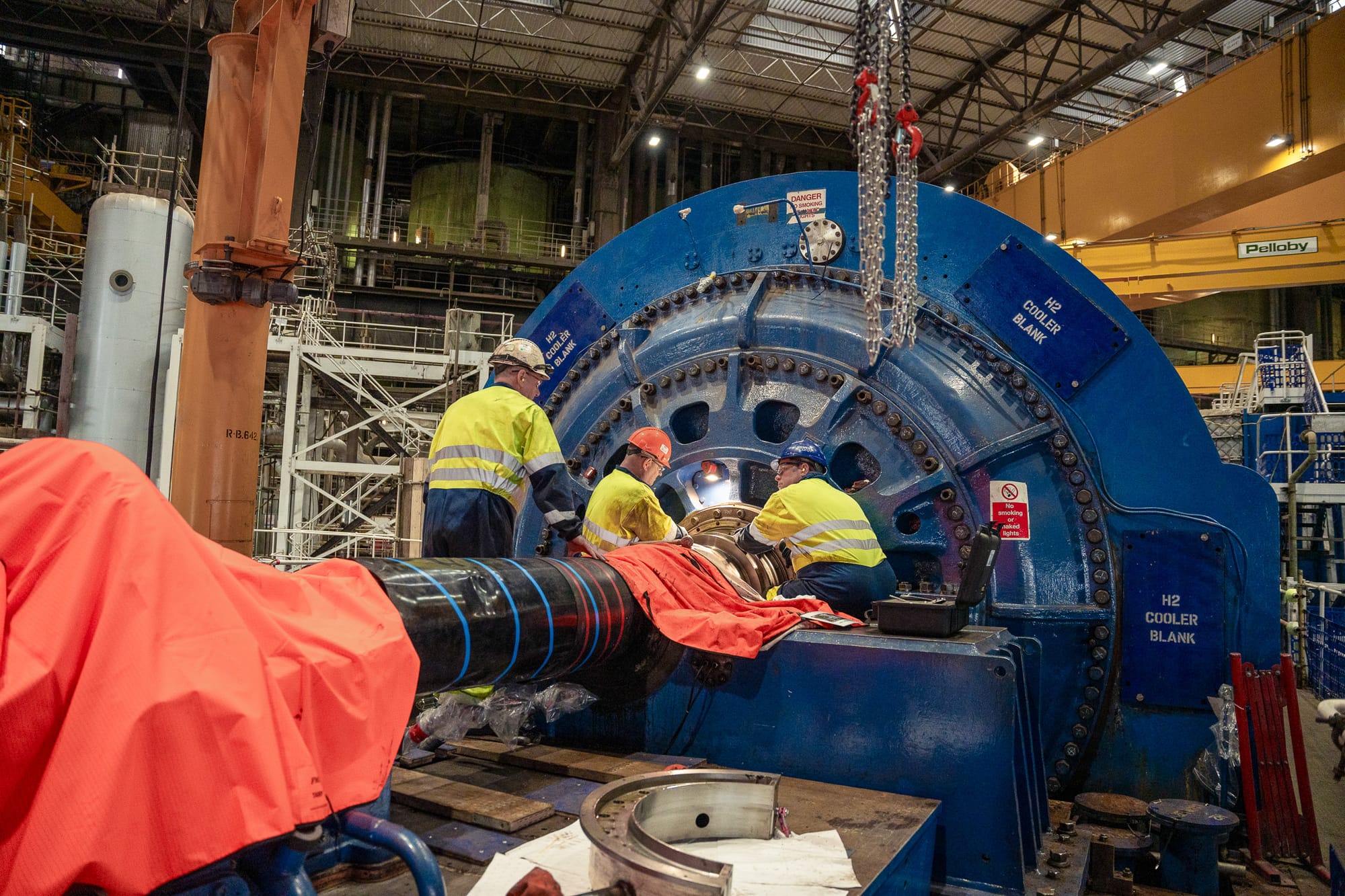
There's a temptation in EVP to make it all about culture and wellbeing. Those things matter, but candidates also want to see the job. What does a normal day look like? What do you actually do with your hands? Where do you work? Is it noisy, outdoors, early, technical?
Filming the real work, properly, often does more for recruitment than any number of nice words. It's especially true for technical and operational roles, where the job itself is the attraction for the right person.
Don't hide the hard bits
This one makes some clients nervous, and we understand why. But if a job involves shifts, or weather, or physically demanding work, saying so in the film is a good thing. The people who are put off by it were going to leave in their first six months anyway. The people who aren't will trust everything else you say a lot more.
The tone can still be positive. "It's early starts and it's cold in winter, but you're part of something big and the team's brilliant" is honest and appealing at the same time.
One film is not a campaign
A single two minute EVP film on the careers page is a good start, but it's rarely enough on its own. Candidates come across employers in lots of places: LinkedIn, job boards, TikTok, school talks, careers fairs. Each of those needs something slightly different.
So we plan the shoot to produce a family of content. A main film, short role-specific clips, vertical edits for social, stills for job adverts and the careers site. Planning this up front means we capture what each piece needs on the day, rather than trying to squeeze it out of the main edit afterwards.
Measure something
It's worth deciding at the start how you'll know if it's working. Applications per role, quality of applicants, drop-off at interview, how many people mention the content when they apply. Even rough measures help you understand which pieces are pulling their weight.
What we've learned
Good EVP content is honest, specific and made with the people who actually do the work. It's less about polish and more about recognition, the moment someone watching thinks "that sounds like me". When you get that right, you don't need to shout. The right people find you. If you're working on your employer brand and want to talk it through, we're always up for a chat.