Energy is one of the most interesting sectors to make content for, and one of the trickiest. It's technical, heavily regulated, often in the news for reasons outside anyone's control, and it has to speak to a wide range of people at once: investors, regulators, local communities, staff, future recruits and the general public.
We've worked with energy businesses for a while now, on power stations and alongside the people who run them. These are the things we've found make the difference.
Know which audience you're talking to
The biggest mistake we see is a single piece of content trying to work for everyone. A film for investors and a film for the community living next to a site need completely different things. One wants confidence, clarity and direction. The other wants reassurance, honesty and a sense that the people running the place are decent neighbours.
When we start a project, we push quite hard on this. Who is this for, specifically? Where will they see it? What do they already believe? The clearer the answer, the better and more focused the content becomes.
Make the technical understandable, not dumbed down
Energy involves some genuinely complex processes, and it's easy to go wrong in both directions. Too technical, and you lose everyone outside the industry. Too simplified, and you lose the people inside it, along with your credibility.
What tends to work is letting the experts explain things in their own words, then supporting them with visuals that make it click. Sometimes that's live footage of the process itself. Sometimes it's animation or motion graphics, which can show things you simply can't film, like what's happening inside a piece of equipment or how energy moves through a system. We often combine the two.
Show the people behind the infrastructure
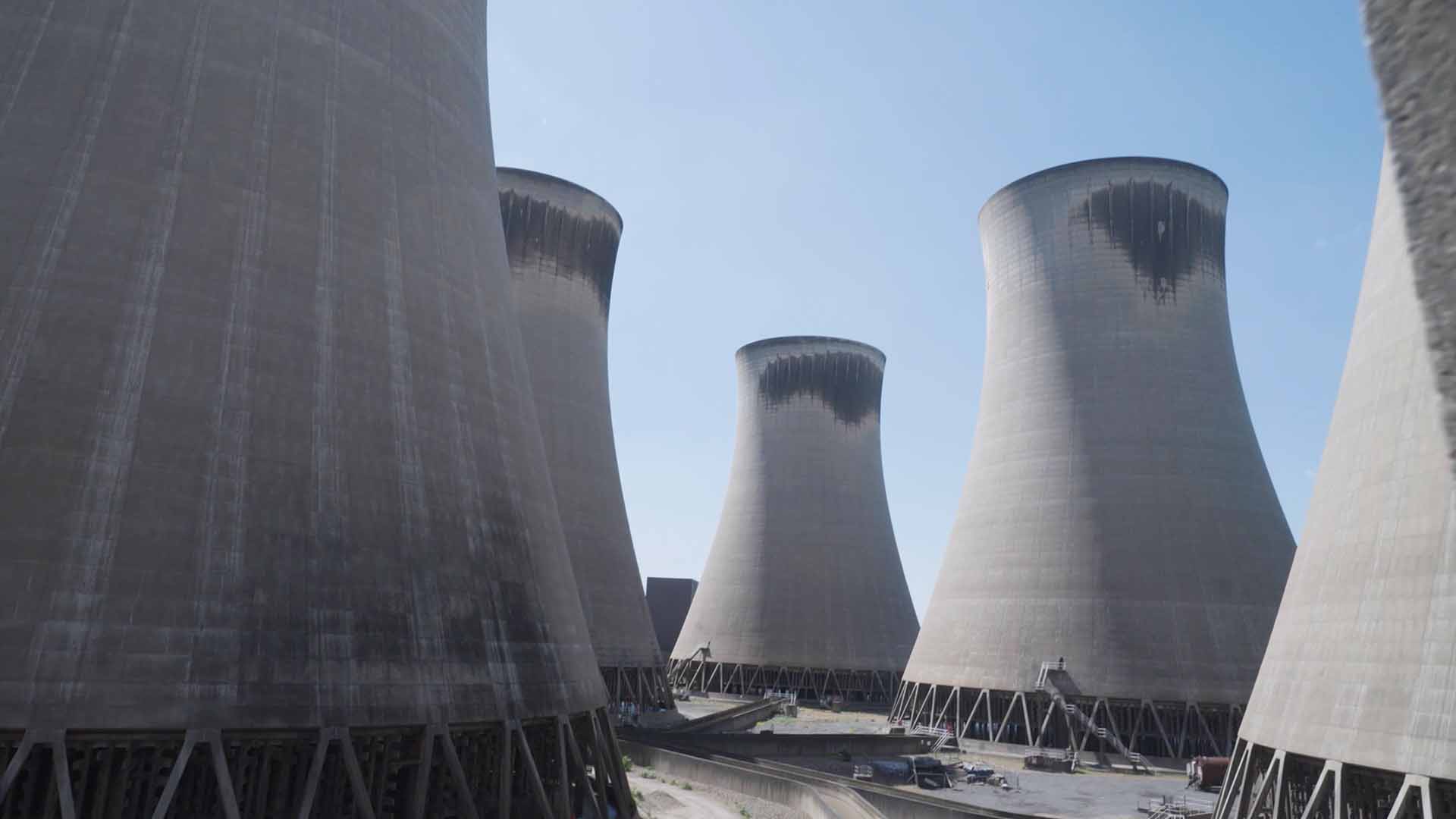
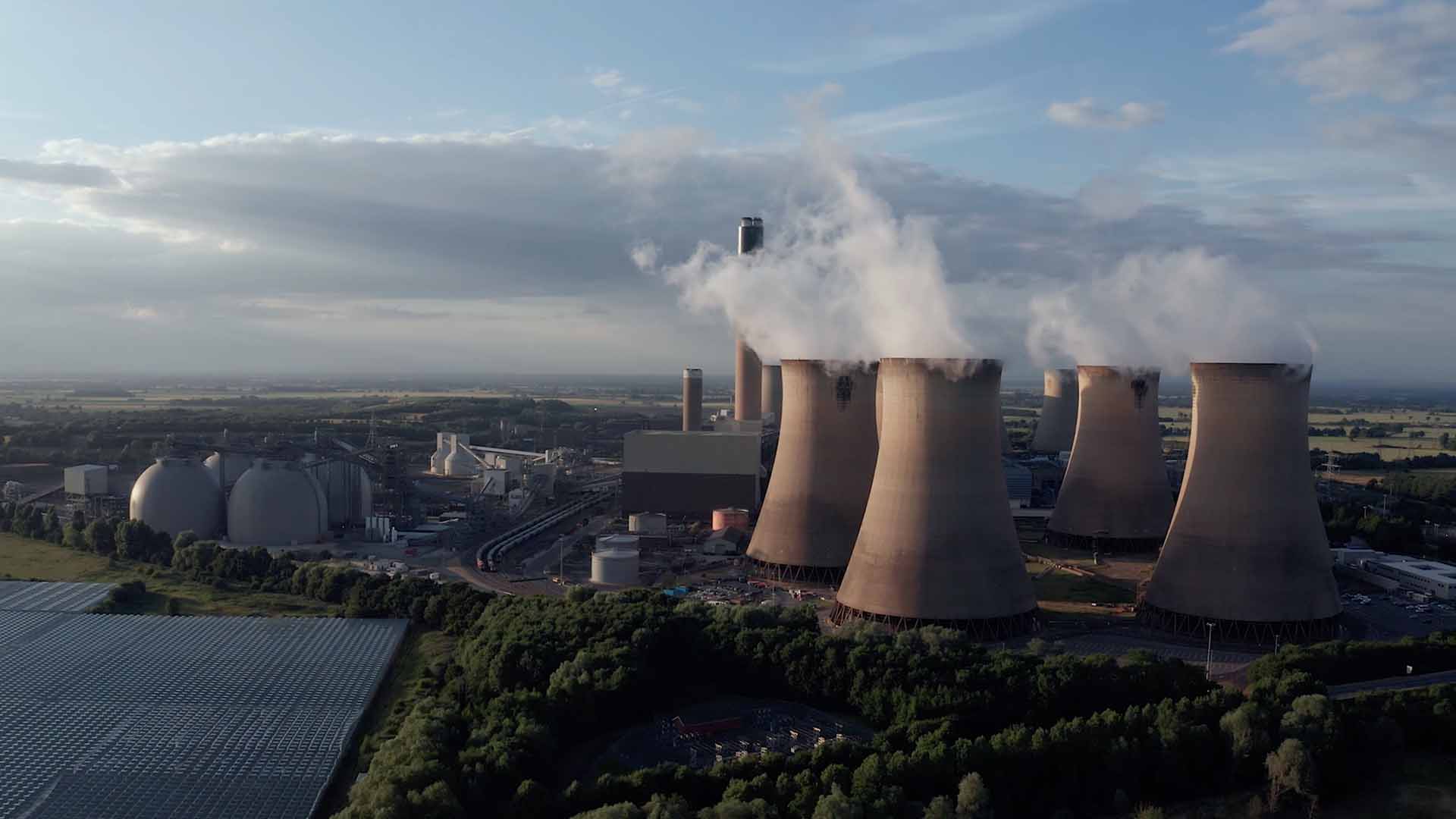
Power stations and energy sites are enormous, and the scale is a big part of their visual appeal. But the scale alone can feel impersonal, even a bit intimidating. The content that connects is usually the content that shows the people: the engineers, operators, apprentices and site teams who keep everything running.
When we filmed with Guy Martin at Drax Power Station, the film worked because it was led by curiosity and by the people on site, not by the machinery alone. Guy asked the questions a normal viewer would ask, and the staff answered them with real knowledge and pride. That combination does a lot of work.
Accuracy and sign-off matter more here
Energy content often goes through more review than most. Technical accuracy, safety, regulatory sensitivities and reputational risk all need checking. That's not a problem, but it needs planning. We agree the review stages up front, make sure the right technical people see the content early, and leave time in the schedule for proper sign-off.
On site, we're also careful about what's in shot. Correct PPE, no sensitive areas visible, nothing that might be misread out of context. It's much easier to get that right on the day than to fix it in the edit.
Plan for the long life of the content
Energy businesses run long programmes. A site might be going through a major change over several years, or a company might be building a new capability over a long period. Content can follow that story.
Rather than treating each film as a one-off, it's often worth thinking about a library: footage and photography captured over time that can be used again and again, across reports, presentations, social, recruitment and press. A bit of planning at the start of a relationship makes this far more efficient.
Don't forget your own people
Internal audiences are often overlooked in energy content, but they matter enormously. Staff on a site going through change want to understand what's happening and why. Good internal comms content, made with the same care as the external work, can make a real difference to how people feel about their workplace. It also often turns into some of the most honest external content, because it's made with the people who know the place best.
What we'd suggest
If you're working in energy and thinking about content, start with the audience and the one thing you want them to take away. Let your own people tell the story. Use animation where filming can't show what matters. Plan sign-off properly. And think about how today's shoot can serve you for years rather than months.
If any of that sounds useful, we'd be glad to talk it through.