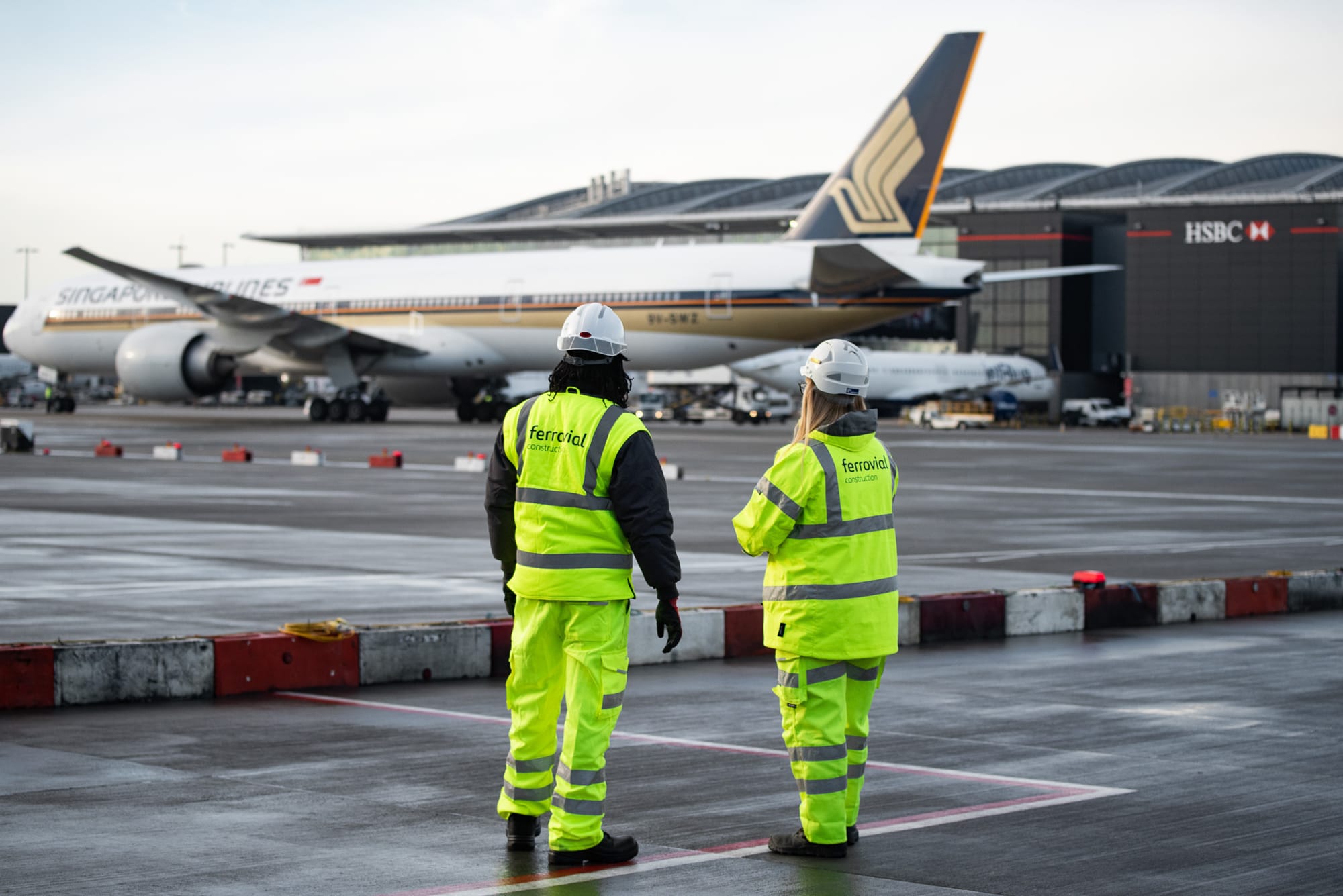
The first thing you learn filming on a live construction site is that the site doesn't stop for you. Nor should it. You're a guest in a place where people are doing genuinely dangerous work to a tight programme, and the film you're making is, quite rightly, the least important thing happening there that day.
We've spent a lot of time on working sites and operational plants over the years, and we love it. It's some of the most visually rich filming there is. But it takes a particular kind of planning, and a particular attitude from the crew, so here's how we approach it.
It starts weeks before the shoot
By the time we turn up with cameras, the hard work should already be done. That means getting the site's paperwork in order: inductions, permits, RAMS, any specific training a particular area requires. Every site does this slightly differently, and the bigger and more complex the project, the longer it takes. We always build that time into the schedule rather than hoping it'll sort itself out.
We also want to talk to the people who actually run the site, not just the comms team who've commissioned us. The site manager or project lead will know which areas are busy on which days, where the crane lifts are happening, when a concrete pour is planned, and which bits of the job are worth seeing. Those conversations are where the best shots come from.
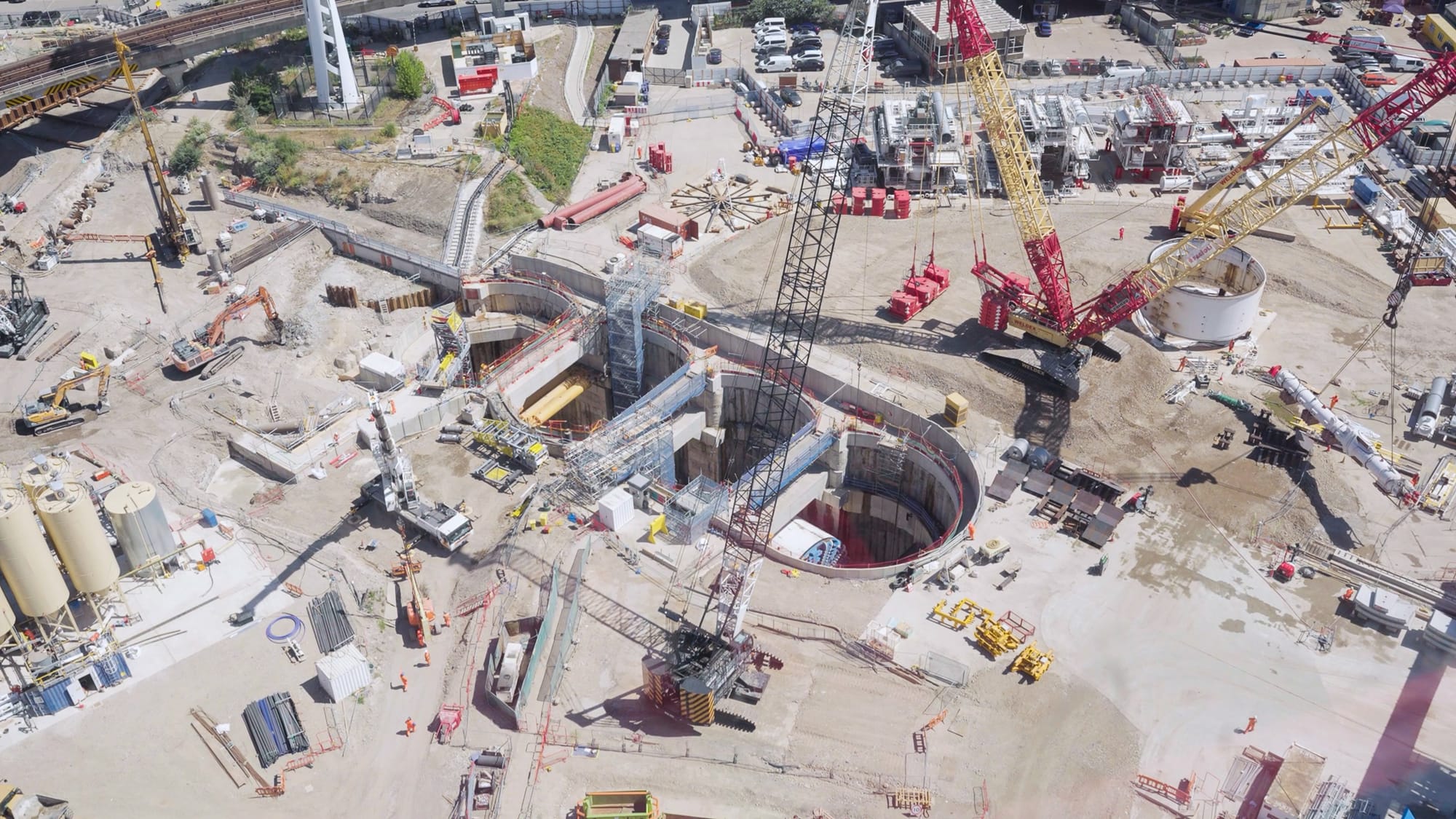
Small crew, every time
On a busy site, a big crew is a liability. More people to induct, more people to escort, more people standing in the wrong place. We keep the team as small as the job allows and make sure everyone on it knows how to behave on site: full PPE, eyes up, and nobody wandering off for a better angle without telling their escort.
Kit is chosen with the same mindset. We want things we can carry, set up quickly and move without fuss. If we need to get out of the way of a vehicle in a hurry, we need to be able to do it without leaving a light stand behind.
Plan around the work, not the other way round
On a normal shoot, you might ask someone to do something again so you can get it from another angle. On a live site, that's often not possible or not appropriate. A lift happens once. A pour happens once. You get it or you don't.
So we plan shots around the real programme. We'll find out in advance when the interesting moments are happening, decide where we need to be, and put cameras there in good time. Where we can, we'll cover a key moment from two positions at once so we're not relying on a repeat.
The upside is that everything you capture is real. Nobody's performing. That shows in the footage.
People are the story
It's very easy to fill a construction film with wides. Big machines, big structures, a drone pulling back to reveal the whole thing. Those shots are great and we always want some. But on their own they can make a project feel cold, like nobody works there.
The moments that make these films are almost always human. An engineer explaining, in their own words, why a particular bit of the job was tricky. A banksman guiding a lift with complete calm. A tea break where somebody tells a story they've clearly told before. We try to spend real time with a few people rather than a few seconds with a lot of them.
It also helps to remember that being filmed is not part of anyone's job description on site. We're careful to ask, to explain what the film is for, and to make sure nobody feels put on the spot. People who've been given a bit of respect tend to give you a much better interview.
Weather, light and the things you can't control
Sites are outside, mostly, and British weather is British weather. We plan for flexibility: a backup day if the schedule allows, interior options if it pours, and an honest conversation with the client in advance about what we'll do if the conditions go against us.
Light changes a lot through a day on an open site, and the best moments don't always happen when the light is nicest. We'd rather capture a real moment in flat light than a staged one at golden hour.
Sign-off has an extra step
On most construction and infrastructure projects there's more than one organisation involved: the client, the contractor, sometimes a joint venture, sometimes a public body. Everyone will want to check the film shows the site safely and accurately. That means checking PPE in every shot, making sure nothing sensitive is visible, and getting the right people to approve it.
We build that review into the schedule from the start. It's far easier to spot a missing pair of gloves in a rough cut than to discover it after the film has gone out.
Why we keep doing it
Honestly, because it's brilliant. There's nothing quite like standing on a site at the start of a shift, watching something enormous being built by people who are very good at what they do. Our job is to show that properly, safely, and without getting in anyone's way. If you've got a project like that and want it captured, we'd love to hear about it.